
“My opponent is my teacher, my ego is my enemy” – Renzo Gracie
If you’ve clicked on this article, it most probably means you’ve just started BJJ (yay!), but are struggling with the journey (ahhh, it’ll be ok, we’ve got your back!). It is so common for newbies to feel like they suck and they are not getting good in anything. In fact, it feels worse. Here’s the good news and the bad news. We’ll do the bad news first…Yes, you do suck! The good news – that’s normal. You are not supposed to know a lot, in fact, you aren’t expected to know anything!
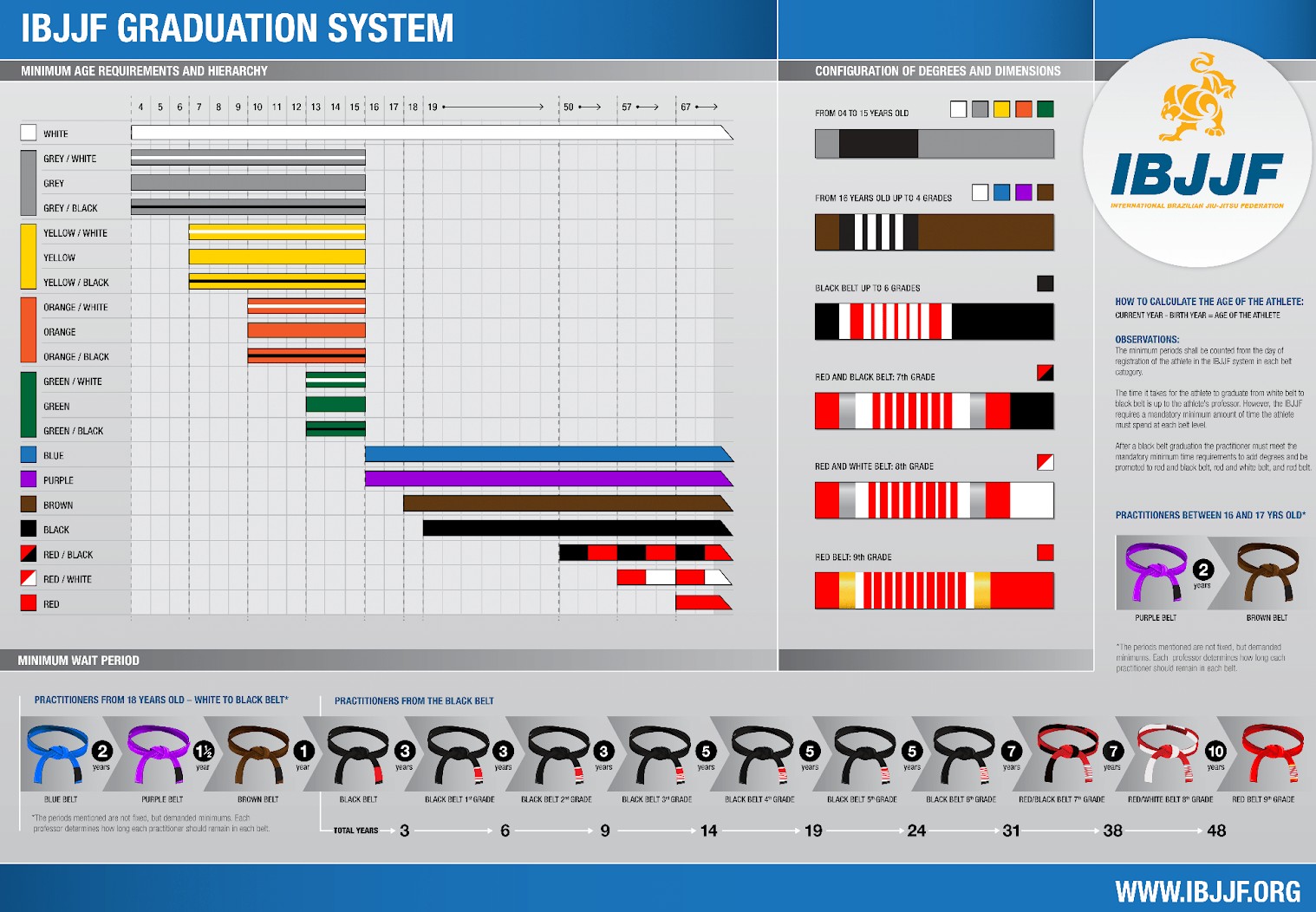
This is your turning point here, realising that you still suck even with 6 months under your belt. To put it into perspective, the average time it takes to achieve a black belt in BJJ is 10 years, depending on performance and also satisfying the applicable minimum performance time for each belt (e.g., the minimum time between blue to purple is 2 years). See IBJJF for more information on the graduation system.
Now, let’s dig into some practical tips to help you not just survive your first six months—but start enjoying the journey.
1. Embrace the Suck
There’s no sugarcoating it—BJJ is humbling. You’ll spend months feeling lost, awkward, and out of your depth. The secret? Learn to embrace the suck.
Growth only happens outside your comfort zone. Every time you get submitted, you’re learning something new about timing, leverage, or patience. The struggle is where you grow. As the saying goes: “It’s in the darkness that the stars shine brightest.”
2. Focus on Your Strengths
It’s easy to fixate on what you can’t do yet—getting swept, stuck, or submitted repeatedly. But focusing only on your failures blinds you to your progress. Instead, look for small wins.
Maybe your defence is improving—you’re harder to submit, or your partner has to work harder to pass your guard. Maybe you’re recognising setups before they happen. Those are huge milestones. Celebrate them.
3. Tap Early, Tap Often
Tapping is not losing. It’s learning safely. Your goal as a beginner isn’t to win rolls—it’s to stay healthy enough to keep training.
Remember the golden rule: “Tap when you’re trapped.”
If it’s tight, tap. Don’t wait for pain—that means it’s already too late. Tapping early prevents injuries and builds trust with your training partners.
4. Focus on Your Own Journey
Comparison kills joy. Your path is uniquely yours.
If you’re in your 30s with no athletic background, don’t compare yourself to the 19-year-old ex-wrestler who lives at the gym. That’s a losing game.
Instead, measure your progress against your past self. Ask:
- What do I know now that I didn’t know two months ago?
- How has my movement, timing, or confidence improved?
- Do I feel more comfortable in bad positions?
Checking in like this—even weekly—helps you see progress that might otherwise go unnoticed. It keeps “everyone’s getting better but me” syndrome at bay.
5. Accept That Jiu Jitsu Is Hard
BJJ is one of the toughest sports you can do, mentally and physically. But that’s what makes it so rewarding. Every roll reveals something about yourself—your patience, ego, and resilience.
Many practitioners find that training improves other areas of their lives too:
better health, more discipline, weight management, and even stress control.
If you stick with it, BJJ will shape you in ways you never expected.
6. Prioritise Recovery
After your first few classes, you’ll wake up feeling like you’ve been hit by a truck. That’s normal. You’re putting your body under stress and microtrauma—it needs time to rebuild.
The Recovery Trinity: Refuel, Reduce, Rest
Refuel:
Eat a balanced meal within an hour after class—something with carbs to restore glycogen and protein to repair muscle tissue. For example: rice and chicken, a smoothie with banana and whey protein, or eggs and toast.
Reduce:
Manage your overall stress load. Chronic stress keeps cortisol high, slowing recovery and increasing your risk of burnout or injury. Schedule downtime, unplug, and breathe—your body and brain need it.
Rest:
Sleep is where most recovery happens. Aim for 7–9 hours per night if you’re an adult. Sleep isn’t optional—it’s your superpower for progress.
7. Keep a Training Journal
Writing things down after class might sound tedious, but it’s one of the best learning hacks out there. When you recap techniques in your own words, you reinforce them in memory.
Use a notebook or a notes app—whatever keeps you consistent.
Record:
- Techniques learned
- Key details or mistakes
- What went well during rolls
- What you want to improve next time
Even reviewing your notes every few weeks can give you a clear picture of how far you’ve come.
8. Have Fun!
The whole point of starting a new hobby, be it a craft or sport is to have fun! Just a word of warning, BJJ can become addictive and potentially consume all of your time. If you’re single and have nothing else better to do, great, but if you have a partner or spouse, this can be a point of friction. Our recommendation here is to encourage your partner/ spouse to tag along to some classes (if they are keen), show them a couple of moves at home (gently) and 100% bring them to the social events so that they have the opportunity to interact and join in at some level, maybe even get to know some of the other partners too!
Check the ego at the door and enjoy the journey as it is yours and yours alone! Remember, BJJ is really just a bunch of people rolling around, and if you do gi, in PJ’s.
References
International Brazillian Jiu-jitsu Federation. (n.d.). IBJJF graduation system. IBJJF. Retrieved July 17, 2022, from https://ibjjf.com/graduation-system
Campbell, B., Kreider, R. B., Ziegenfuss, T., La Bounty, P., Roberts, M., Burke, D., Landis, J., Lopez, H., & Antonio, J. (2007). International Society of Sports Nutrition position stand: protein and exercise. Journal of the International Society of Sports Nutrition, 4(1), 8. https://doi.org/10.1186/1550-2783-4-8
Ouanes, S., & Popp, J. (2019). High Cortisol and the Risk of Dementia and Alzheimer’s Disease: A Review of the Literature. Frontiers in Aging Neuroscience, 11. https://doi.org/10.3389/fnagi.2019.00043
Suni, E. (2021, March 10). How Much Sleep Do We Really Need? | National Sleep Foundation (A. Singh, Ed.). Sleepfoundation.org. https://www.sleepfoundation.org/how-sleep-works/how-much-sleep-do-we-really-need
Toledo, J. B., Toledo, E., Weiner, M. W., Jack, C. R., Jagust, W., Lee, V. M. ‐Y., Shaw, L. M., & Trojanowski, J. Q. (2012). Cardiovascular risk factors, cortisol, and amyloid‐β deposition in Alzheimer’s Disease Neuroimaging Initiative. Alzheimer’s & Dementia, 8(6), 483–489. https://doi.org/10.1016/j.jalz.2011.08.008
